
Back to PCOS support

PCOS symptoms getting you down? This is for you

PCOS symptoms getting you down? This is for you

What are the common symptoms of PCOS?

PCOS symptoms often get attributed to other causes or go unnoticed, which is why PCOS may go undiagnosed for some time. Usually, a diagnosis of PCOS can be made when you experience some of these common symptoms:

  • PCOS Fertility Issues – Reduced fertility, difficulty becoming pregnant.
  • Period Problems – Irregular periods or no periods.
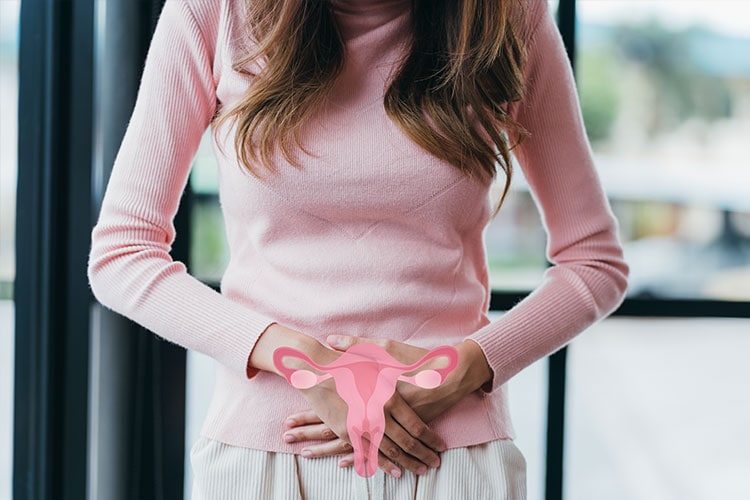
  • Polycystic Ovaries (PCO) – Multiple small cyst-like follicles around the edge of the ovaries.
  • Pregnancy Complications – Increased risk of developing diabetes (gestational diabetes) or high blood pressure (pre-eclampsia) during pregnancy.
  • Weight Issues – Rapid weight gain, difficulty losing weight.
  • Acne – Skin problems including oily skin and acne.
  • Unwanted Hair Growth – Unwanted facial or body hair (hirsutism).
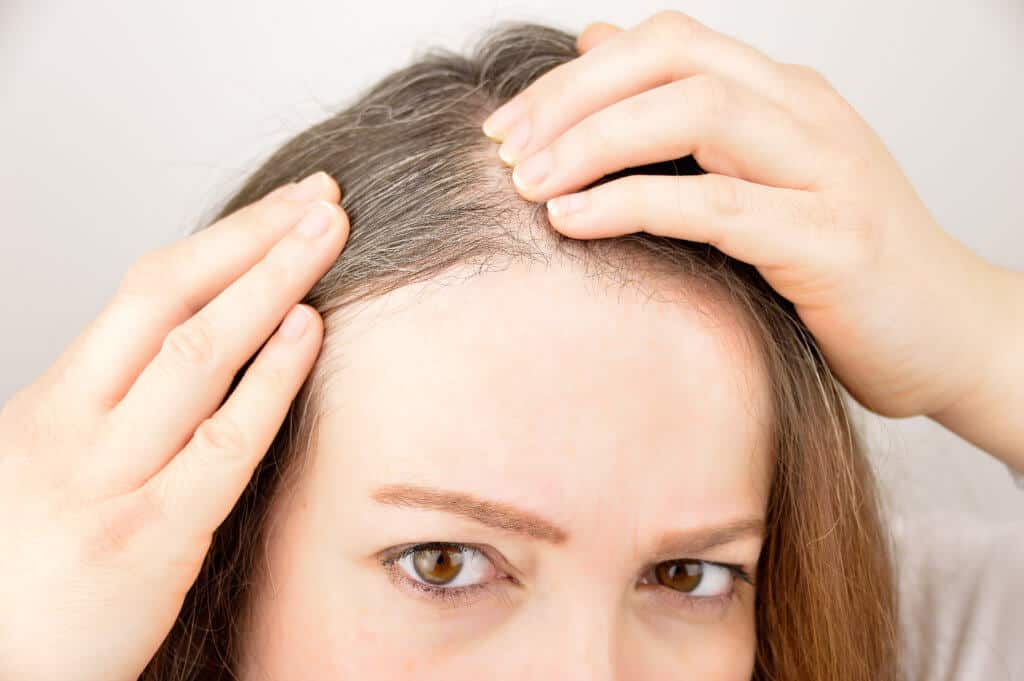
  • Alopecia – Thinning head hair or hair loss.

Should you see a doctor if you experience PCOS symptoms?

Absolutely. You can easily make mistakes when attempting to diagnose yourself. This is because the symptoms can be due to a number of different conditions or lifestyle choices.

If you suspect you have PCOS, arrange an appointment with your doctor and share your concerns with them. They’ll help to provide you with an accurate diagnosis after running tests and scanning your ovaries. If you do get diagnosed with PCOS then there are a number of different treatment options and lifestyle changes that might be suggested to you.

PCOS is diagnosed according to the Rotterdam criteria. This means that if you have any two of the three following conditions it would be diagnostic of Polycystic Ovary Syndrome.

  1. Menstrual cycle disturbances
  2. Evidence of high androgen levels (raised testosterone, hirsutism)
  3. Polycystic ovaries on ultrasound scan

Find out more about the diagnosis process.

What are the health risks associated with PCOS?

Metabolic syndrome – women with PCOS are at great risk of developing metabolic syndrome which is characterised by high body mass index (BMI), high blood pressure, type 2 diabetes and blood lipid disturbances leading to a high cardiovascular risk.

If you have recently been diagnosed with PCOS, simple lifestyle changes and sensible choices can help to minimise this risk.

Managing your PCOS symptoms

Managing PCOS symptoms often comes down to lifestyle changes and certain supplements.

Inofolic® Alpha is a unique formulation that contains myo-inositol, folic acid and alpha-lactalbumin. These ingredients in combination can help to alleviate your PCOS symptoms. For women living with PCOS with higher BMIs, Inofolic Alpha Plus can help see faster results in relieving PCOS symptoms.

Myo-inositol helps reduce the symptoms such as unwanted hair, acne and oily skin. It also improves ovulation and egg quality.

Find out how to manage your PCOS symptoms

How Inofolic changed the lives of women living with PCOS

Inofolic Alpha works differently to other  PCOS supplements by improving the intestinal absorption of myo-inositol, with our patented formula.

“Inofolic Alpha has greatly improved my acne, which I have been trying to keep at bay all my life. It also helps me with my menstrual problems. I couldn’t do without it anymore.”

Giulia 

“Just about a month of taking this and the unwanted facial and neck hair I was sprouting has literally stopped! It’s the first time in years I’ve had no bristly bits on the bottom left of my chin!”

Louise

Questions about your PCOS diagnosis